









Tsubaki Hair Mask: Complete Guide
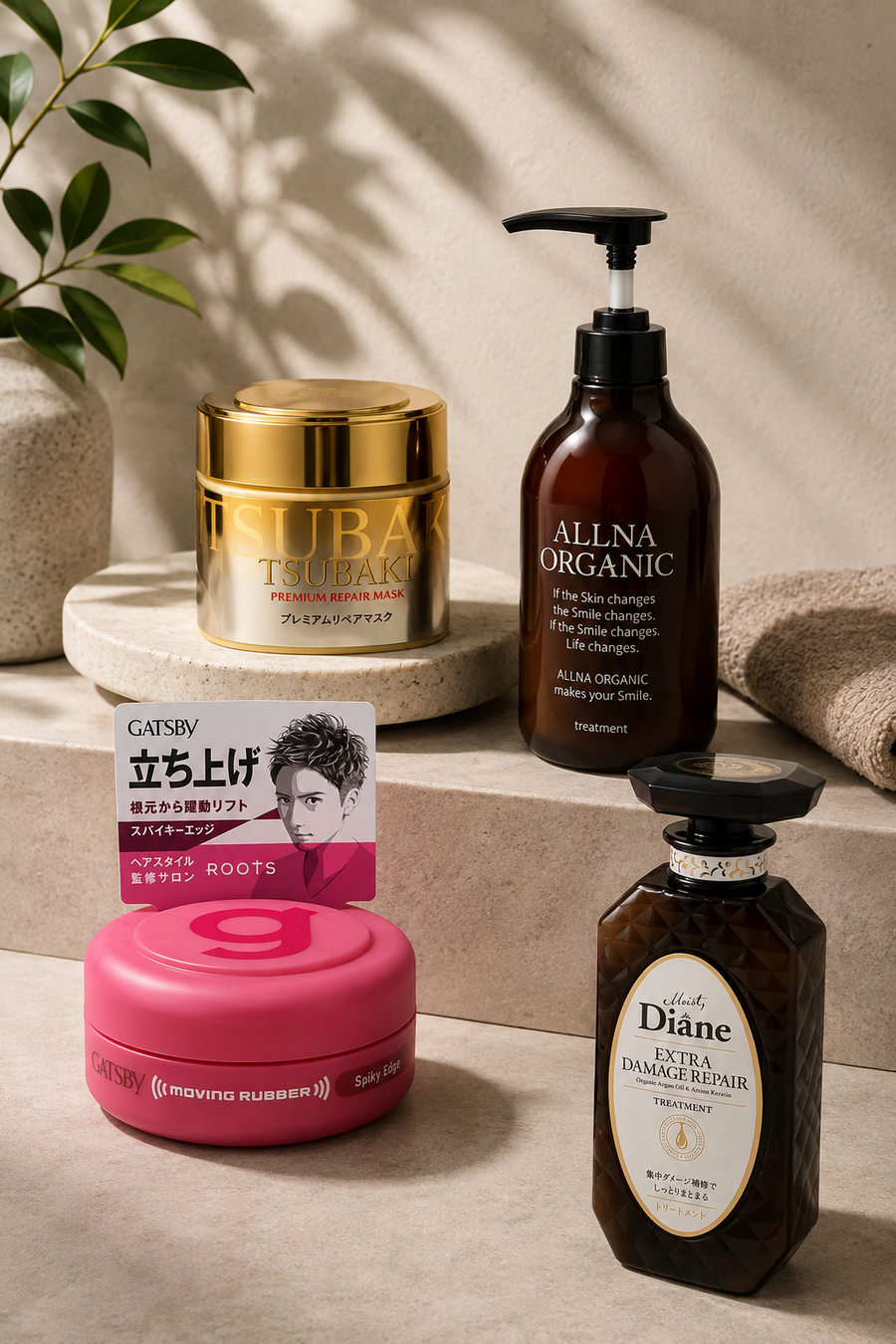
If you have spent any time exploring Japanese hair care, there is a good chance you have come across the Tsubaki hair mask. Known for its rich conditioning texture and focus on dry, damaged, and color-treated hair, the Shiseido Tsubaki Premium Repair Mask has become one of the most recognizable treatments in J-beauty hair care.
If you have spent any time exploring Japanese hair care, there is a good chance you have come across the Tsubaki hair mask. Known for its rich conditioning texture and focus on dry, damaged, and color-treated hair, the Shiseido Tsubaki Premium Repair Mask has become one of the most recognizable treatments in J-beauty hair care.
Unlike a basic conditioner that is primarily used for everyday softness and detangling, a Japanese hair mask is designed to deliver more intensive conditioning. This makes the Tsubaki Premium Repair Mask especially relevant for people dealing with dry and rough hair, damaged ends, frizz, heat styling, coloring, bleaching, or an otherwise demanding hair-care routine.
At Japan Standards, you can shop the Tsubaki Premium Repair Mask and explore additional treatments in our complete Japanese Hair Mask Collection.
What Is the Tsubaki Hair Mask?
The Tsubaki hair mask is an intensive rinse-out Japanese hair treatment from the TSUBAKI range. The product sold by Japan Standards is the Tsubaki Premium Repair Mask Hair Pack 180g, designed around conditioning dry, damaged, and color-treated hair.
Tsubaki Hair Mask Guide
What Is the Tsubaki Hair Mask?
The Tsubaki hair mask is an intensive rinse-out Japanese hair treatment from the TSUBAKI range. The product sold by Japan Standards is the Tsubaki Premium Repair Mask Hair Pack 180g, designed around conditioning dry, damaged, and color-treated hair.
Its listed ingredients include glycerin, camellia seed oil, sodium acetylhyaluronate, royal jelly extract, hydrolyzed conchiolin, silicones, and several conditioning agents. Japan Standards positions it as a Japanese hair repair treatment focused on moisture, softness, smoothness, shine, and manageability.
Why Is It Called Tsubaki?
“Tsubaki” commonly refers to Japanese camellia. Camellia oil has a long association with Japanese beauty and traditional hair care, which is why tsubaki oil and camellia seed oil frequently appear in conversations about J-beauty hair care.
The current ingredient list for the Premium Repair Mask includes camellia seed oil, making it particularly appealing to shoppers interested in a camellia-based Japanese hair-care routine.
Is Tsubaki a Hair Mask or Hair Treatment?
Both descriptions are useful.
The product is sold as the Tsubaki Premium Repair Mask, but functionally it is also an intensive Japanese hair treatment. It is applied after shampoo and then rinsed out, placing it within the same general category as deep conditioning hair masks and intensive conditioning treatments.
What Does Tsubaki Hair Mask Do?
The primary purpose of the Shiseido Tsubaki hair mask is intensive conditioning.
Hair exposed to heat, coloring, bleaching, frequent washing, environmental stress, or repeated styling can become dry, rough, frizzy, and less manageable. A nourishing hair mask can help improve the cosmetic feel of those damaged lengths by coating and conditioning the hair.
Benefits of Tsubaki Hair Mask
Depending on your hair type and existing routine, the treatment may help support:
Hair hydration and moisture retention
Softer-feeling hair
Smoother-looking lengths
Improved manageability
Enhanced shine
Conditioning for dry and damaged ends
Anti-frizz hair care
Easier detangling
The Japan Standards product listing specifically describes the treatment as targeting moisture, smoothness, shine, softness, and manageability for dry, damaged, or color-treated hair.
Can Tsubaki Hair Mask Repair Damaged Hair?
A repairing hair mask can improve how damaged hair looks and feels, but it is important to distinguish cosmetic conditioning from permanently reversing physical damage.
Hair that has already split cannot literally be rejoined by a rinse-out cosmetic treatment. However, a smoothing hair mask can coat dry or rough areas and make damaged ends feel softer and more manageable.
What About Hair Breakage?
Hair that is dry and tangled can experience additional mechanical stress during brushing and styling. Better conditioning may make hair easier to detangle and reduce unnecessary friction.
What About Split Ends?
A hair mask for split ends can temporarily smooth rough ends, but established split ends eventually need to be trimmed.
Why Routine Matters
The best results usually come from combining intensive conditioning with gentler washing, careful detangling, sensible heat styling, and regular trimming rather than depending on one treatment alone.
Is Tsubaki Hair Mask Good for Damaged Hair?
The Tsubaki hair mask for damaged hair is particularly relevant for people whose lengths feel dry, coarse, tangled, dull, or difficult to manage.
If your hair has been affected by straightening, curling irons, blow drying, coloring, or chemical treatments, adding a weekly hair mask or another intensive hair treatment can provide extra conditioning.
For a deeper look at treatments for stressed hair, read our Hair Mask for Damaged Hair guide.
Tsubaki Hair Mask for Heat-Damaged Hair
Regular heat styling can contribute to dryness and roughness, particularly when high temperatures are used frequently.
A Tsubaki hair mask for heat-damaged hair can be added after shampooing to provide additional conditioning. For best results, combine your hair mask with lower styling temperatures and reduce repeated passes of a straightener or curling iron over the same section.
Tsubaki Hair Mask for Bleached Hair
Bleached hair commonly feels more porous, dry, fragile, or difficult to manage.
A Tsubaki hair mask for bleached hair can provide moisturizing and smoothing care after bleaching. However, extremely compromised hair may need a broader routine that balances moisture, conditioning, and—depending on the person's needs—protein-focused hair care.
Does Tsubaki Contain Keratin?
The current Japan Standards ingredient list does not list keratin, so shoppers specifically looking for a keratin hair treatment should not assume this mask is keratin-based.
Is It a Protein Hair Treatment?
The listed formula includes hydrolyzed conchiolin, but it should not automatically be treated as equivalent to a dedicated keratin or high-protein treatment. Choose according to your overall hair needs rather than relying on broad ingredient categories.
For severely dry processed lengths, our Hair Mask for Dry Damaged Hair guide can help you compare approaches.
Is Tsubaki Hair Mask Good for Dry Hair?
Yes, dry hair is one of the main use cases for this type of moisturizing hair mask.
The formula contains ingredients such as glycerin, camellia seed oil, and sodium acetylhyaluronate alongside conditioning agents. Together, the formula is designed to improve softness, smoothness, and moisture feel.
Tsubaki Hair Mask for Frizzy Hair
Frizz can become more noticeable when the hair surface is rough or dehydrated.
A smoothing and hydrating hair mask can help hair feel more conditioned, which may make frizzy lengths easier to manage.
This makes the Tsubaki hair mask for frizzy hair particularly relevant for people seeking softer, smoother-looking hair rather than a styling product that simply holds flyaways in place.
Tsubaki Hair Mask for Colored Hair
Coloring can leave some hair types feeling drier or rougher than before.
The Premium Repair Mask is marketed by Japan Standards for damaged, dry, and color-treated hair, making it an option for shoppers building a routine around conditioning after coloring.
Tsubaki Hair Mask Ingredients: What to Know
Rather than judging a hair treatment by one hero ingredient, it is useful to look at the overall formulation.
Camellia Seed Oil
Camellia seed oil is one of the ingredients most closely associated with the Tsubaki identity.
Within hair care, natural oils are commonly included to support lubrication, softness, shine, and a smoother feel.
Glycerin and Sodium Acetylhyaluronate
Glycerin is widely used as a humectant in cosmetic products, while sodium acetylhyaluronate is a hyaluronic-acid derivative included in the current formula.
These ingredients sit alongside oils, silicones, fatty alcohols, and conditioning agents rather than working in isolation.
Conditioning Ingredients
The formula also contains ingredients such as dimethicone, aminopropyldimethicone, amodimethicone, behentrimonium chloride, and stearyl alcohol.
These types of ingredients are commonly used in hair-conditioning formulas to improve slip, softness, detangling, and smoothness.
Does It Contain Ceramides?
Ceramides are popular in damaged hair care, but they are not listed by that name in the current Japan Standards ingredient list for this product.
What About Collagen or Silk Protein?
Neither collagen nor silk protein is listed by those names in the current ingredient declaration.
Always Check Current Packaging
Formulas can change. Japan Standards notes that ingredients and specifications may be updated, so the product packaging should be considered the most current reference.
How to Use Tsubaki Hair Mask
Using the product is straightforward.
The current Japan Standards directions state to apply the mask after shampooing and then rinse thoroughly.
A practical routine is:
Shampoo your hair normally.
Rinse out the shampoo thoroughly.
Remove excess water from the lengths.
Apply the Tsubaki Premium Repair Mask through the hair, concentrating particularly on dry or damaged lengths and ends.
Rinse thoroughly according to the product directions.
How Long Should You Leave Tsubaki Hair Mask On?
The current Japan Standards listing does not specify a required waiting time; it simply instructs users to apply after shampooing and rinse thoroughly.
For that reason, follow the instructions on your actual product packaging rather than assuming it must be left on for five, ten, or twenty minutes.
Tsubaki Hair Mask Before or After Conditioner?
Use the Tsubaki hair mask after shampooing.
Whether you also need a separate conditioner depends on your hair and routine. A rich rinse-out hair mask may provide enough hair conditioning on treatment days.
How Often Should You Use Tsubaki Hair Mask?
How often to use Tsubaki hair mask depends on your hair condition and how easily it becomes weighed down.
A weekly hair mask is a practical approach for many people with dry or damaged hair. Someone with particularly dry, thick, bleached, or overprocessed hair may prefer more frequent conditioning, while fine hair may need less product or less frequent use.
Hair Mask After Bleaching
Focus application on processed lengths and damaged ends.
Hair Mask After Coloring
Use it as part of a gentle color-treated hair routine.
Hair Mask After Heat Styling
Regular conditioning can complement efforts to reduce heat-related dryness.
Avoid Overloading Fine Hair
Start with a smaller amount and concentrate the product on mid-lengths and ends if your roots become heavy easily.
Tsubaki Hair Mask vs Conditioner
A regular conditioner is generally intended for frequent use after shampooing and focuses on detangling, softness, and basic conditioning.
The Tsubaki Premium Repair Mask is positioned as a more intensive treatment.
If your hair already feels soft and manageable with conditioner alone, you may not need a mask every wash. If it feels particularly dry, rough, or processed, adding an intensive treatment can give you an extra conditioning step.
Tsubaki Hair Mask vs Hair Treatment
In Japanese hair care, the terms “mask” and “treatment” often overlap.
A Japanese hair treatment can refer to a richer conditioning product used after shampoo, while “hair mask” often emphasizes intensive care.
What matters more than the label is the formulation, intended use, and directions.
For more comparisons across the category, read our complete guide to choosing a Japanese Hair Mask.
Who Should Consider the Tsubaki Premium Repair Mask?
The Shiseido Tsubaki Premium Repair Mask may be worth considering if you are shopping for:
A Japanese hair mask for damaged hair
A Japanese hair mask for dry hair
A Japanese hair mask for colored hair
A Tsubaki hair mask for frizzy hair
A moisturizing hair mask
A smoothing hair treatment
A camellia oil hair treatment
A rinse-out intensive conditioning treatment
A treatment for dry and rough hair
A Japanese hair-care product for softer, shinier-looking hair
Who May Prefer Something Else?
People specifically searching for a keratin-heavy formula, a dedicated protein treatment, or a scalp treatment should compare other products rather than assuming every repairing hair mask serves the same purpose.
The best Japanese hair mask is ultimately the one that matches your hair condition and routine.
Shop Tsubaki Hair Mask at Japan Standards
If you are ready to add a Japanese repair treatment to your routine, shop the Shiseido Tsubaki Premium Repair Mask Hair Pack from Japan Standards.

Shiseido Tsubaki Premium Repair Mask Hair Pack 180g
An intensive rinse-out Japanese hair treatment designed around conditioning dry, damaged, and color-treated hair.
Focused on moisture, softness, smoothness, shine, manageability, and conditioning for dry or damaged lengths.
The current listing identifies it as a 180g Japanese hair treatment and states that orders ship from Japan.
You can also browse the complete Hair Mask Collection to compare Tsubaki with other Japanese moisturizing, smoothing, and damaged-hair treatments.
For more Japanese beauty and hair-care products, visit the Japan Standards homepage.
Frequently Asked Questions About Tsubaki Hair Mask
What does Tsubaki hair mask do?
It is an intensive conditioning treatment designed to support moisture, softness, smoothness, shine, and manageability, particularly for dry, damaged, or color-treated hair.
Is Tsubaki hair mask good for damaged hair?
It is specifically positioned for damaged hair and may help damaged lengths feel smoother, softer, and more manageable. It cannot permanently reverse physical damage such as established split ends.
Is Tsubaki hair mask good for dry hair?
Yes. Its formula contains camellia seed oil, glycerin, sodium acetylhyaluronate, and multiple conditioning ingredients that make it relevant for dry and rough hair.
Can Tsubaki hair mask be used on bleached hair?
It can be incorporated into a routine for dry or processed hair. People with severely bleached hair may need to combine moisturizing care with other treatments depending on their hair's condition.
Does Tsubaki hair mask help split ends?
It can condition and temporarily smooth rough ends, but no rinse-out cosmetic hair mask can permanently reconnect an already split hair strand.
Does Tsubaki hair mask help breakage?
Better conditioning may reduce tangling and friction during handling, although it cannot restore a strand that has already broken.
Where can I buy Tsubaki hair mask?
You can purchase the Tsubaki Premium Repair Mask from Japan Standards or browse the complete Japanese Hair Mask Collection for additional treatments.
Final Thoughts
The Tsubaki hair mask is a strong option for shoppers seeking Japanese hair care focused on conditioning, moisture, smoothness, shine, and manageability.
Its combination of camellia seed oil, glycerin, sodium acetylhyaluronate, silicones, and other conditioning ingredients makes it particularly relevant for dry, rough, color-treated, frizzy, and damaged-looking hair.
Rather than expecting a hair mask to permanently reverse structural damage, use the Tsubaki Premium Repair Mask as part of a broader hair repair routine that includes gentle washing, appropriate conditioning, careful detangling, reduced unnecessary heat, and regular trimming.
If Tsubaki matches your hair needs, shop the Tsubaki Premium Repair Mask at Japan Standards, or compare more options in our Hair Mask Collection.
Shop Tsubaki Premium Repair Mask
Use the Tsubaki Premium Repair Mask as part of a broader hair repair routine that includes gentle washing, appropriate conditioning, careful detangling, reduced unnecessary heat, and regular trimming.
Shop Tsubaki Hair Mask