









Emulsion
Japanese Skincare Emulsions for Lightweight Hydration & Healthy Skin
Discover Japanese skincare emulsions at Japan Standards, designed to provide lightweight hydration while leaving skin feeling soft, smooth, and comfortable. A skincare emulsion offers a balanced alternative to heavier creams, making it an easy addition to a Japanese skincare routine for everyday moisture and skin conditioning.


Japanese Skincare Emulsion Products
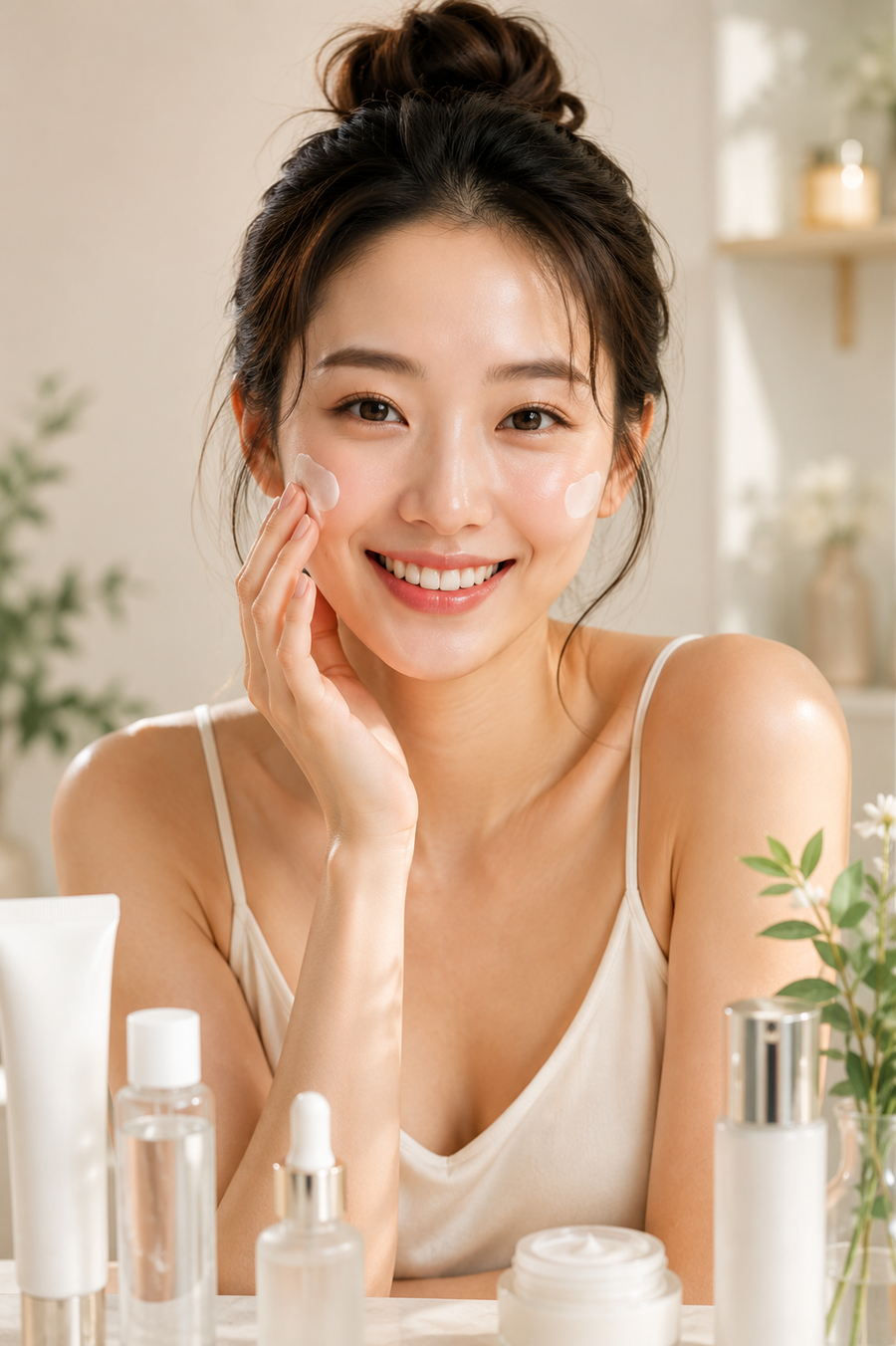
A Japanese emulsion typically combines water and oil to moisturize without the heavy feel associated with some creams. These lightweight moisturizers can help hydrate the skin and support a comfortable moisture barrier. Depending on the formula, a moisturizing emulsion may contain ingredients such as ceramide, hyaluronic acid, botanical extracts, or other active ingredients selected for specific skin concerns.
For shoppers comparing textures, Japan Standards also offers Face Cream, Gel, and Serum collections. These options make it easier to build a complete skincare regimen around your preferred level of hydration.
Choose an Emulsion for Your Skin Type
The right emulsion depends on your skin type, texture preference, and skincare goals. Combination and oily skin type may benefit from a water-based Japanese emulsion that provides hydration without feeling overly rich. People with dry or mature skin can look for formulas focused on deeper hydration and nourishment, while acne-prone skin may prefer lightweight, comfortable textures.
Lightweight Hydration for Everyday Skincare
Emulsions are especially useful when you want to hydrate the skin while maintaining a light skincare routine. They can be applied after toner, essence, or serum and before a richer moisturizer when additional moisture is needed. For extra nourishment, explore Milky Lotion or Moisturizers .
Japanese Beauty and Skin Conditioning
J-beauty emphasizes consistent skincare and thoughtful layering. Popular Japanese skincare names such as Hada Labo, Shiseido, Sekkisei, and Naturie are often associated with different approaches to hydration, brightening, and skin conditioning. Some products also incorporate Japanese sake-inspired ingredients, botanical extracts, or other carefully selected components.
How to Choose a Japanese Emulsion
When comparing emulsions and creams, consider your skin type, desired finish, ingredients, and place in your skincare routine. Choose a lightweight moisturizer for comfortable daily hydration, or select a richer formula when your skin needs more nourishment. If you want targeted hydration, pair your emulsion with a suitable serum.
Why Buy from Japan Standards?
Japan Standards makes it easier to shop Japanese beauty products across multiple skincare categories. Explore products according to texture, skin needs, and routine preferences, with convenient access to Japanese skincare essentials in one place. You can also complement your routine with Eye Cream for targeted care around the delicate eye area.