





Frizz Forecast: How Japanese Hair Care Handles Humidity
A smooth hairstyle can look completely different the moment humid air arrives. Straight hair may become puffy, waves can lose definition, curls may expand, and damaged ends can develop flyaways seemingly within minutes. If this sounds familiar, building the right Hair Care for Frizz & Humidity routine can make humid-weather styling much easier to manage.
Humidity Control Starts With the Whole Routine
Humidity affects the amount of water hair interacts with. The answer is not necessarily to coat your hair with the heaviest oil you can find. Effective Japanese hair care for frizz and humidity can combine cleansing, rinse-out conditioning, smoothing leave-in products, and careful styling according to your texture and level of damage.
Frizz & Humidity Hair Care Guide
Why Does Hair Frizz in Humidity?
Hair is capable of taking up water from the surrounding atmosphere.
As relative humidity rises, moisture uptake and swelling within hair fibers can increase. Research on hair moisture sorption has also shown that chemical treatments such as bleaching change how hair interacts with moisture.
This helps explain why a hairstyle that looks smooth indoors may behave differently after exposure to humid outdoor air.
Porous Hair Can Be Especially Difficult to Manage
Porosity describes aspects of how readily hair interacts with moisture and treatments.
Damaged, bleached, chemically treated, or highly weathered hair can behave differently from relatively undamaged hair. Studies examining hair porosity and moisture sorption have found measurable structural differences associated with damage and bleaching.
Humidity Does Not Affect Every Hair Type the Same Way
Some people experience a few flyaways. Others notice major puffiness, loss of smoothness, or curls becoming less predictable.
Dry and Frizzy Hair
Dry frizzy hair often benefits from better conditioning, lubrication, and surface smoothing.
Curly and Wavy Hair
Curls and waves can respond visibly to environmental moisture, and experimental work has found humidity-related changes in the tactile friction and perceived frizziness of curly hair.
Bleached or Color-Treated Hair
Chemical processing can change hair's moisture behavior, making a consistent conditioning routine particularly useful.
THE GOAL IS MANAGEABILITY, NOT PERMANENT REPAIR
Cosmetic hair products can improve softness, shine, lubrication, and smoothness, but they cannot permanently return a heavily damaged strand to its original untreated condition.
For more targeted damaged-hair care, read our Hair Mask for Hair Damage guide.
What to Look for in Japanese Hair Care for Frizz & Humidity
A good anti-frizz routine usually works at more than one stage.
You can start with an appropriate shampoo, add intensive rinse-out conditioning, then use a leave-in oil, cream, serum, or styling product where necessary.
Conditioning Agents & Silicones
Silicones such as dimethicone, amodimethicone, cyclopentasiloxane, and related ingredients are common in smoothing hair products. They can improve slip, reduce rough feel, add shine, and help strands feel more manageable.
Natural Oils & Emollients
Argan oil, sunflower seed oil, camellia oil, shea butter, and other emollient ingredients can form part of formulas for dry, coarse, or frizz-prone hair.
Proteins & Amino-Acid Ingredients
Keratin, hydrolyzed keratin, silk-derived ingredients, and amino-acid-related ingredients may appear in products intended for damaged hair.
Choosing the Right Weight
Fine frizzy hair and coarse frizzy hair do not necessarily need the same product.
| Hair Type | Approach |
|---|---|
| Fine Hair | Use lightweight treatments and small amounts of leave-in oil. |
| Coarse or Thick Hair | Richer creams and deep conditioning treatments may be easier to incorporate. |
| High-Porosity or Damaged Hair | Layering rinse-out conditioning with a carefully applied leave-in product can be useful. |
You can always add another drop of hair oil. Removing too much product is much harder.
Japanese Products for Frizz and Humidity
These four products can fill different roles in a humid-weather routine.
| Product | Product Type | Best Role in the Routine |
|---|---|---|
| Dear Beaute Oil In Shampoo Rich & Repair | Shampoo | Cleansing dry, frizzy or unruly hair |
| Loretta Deep Moist Treatment | Rinse-out treatment | Intensive moisture and smoothing |
| Diane Moist Perfect Beauty Hair Oil | Leave-in hair oil | Frizz, shine and finishing care |
| Tsubaki Horse Oil Hair Cream | Leave-in hair cream | Moisture-focused smoothing and humidity management |
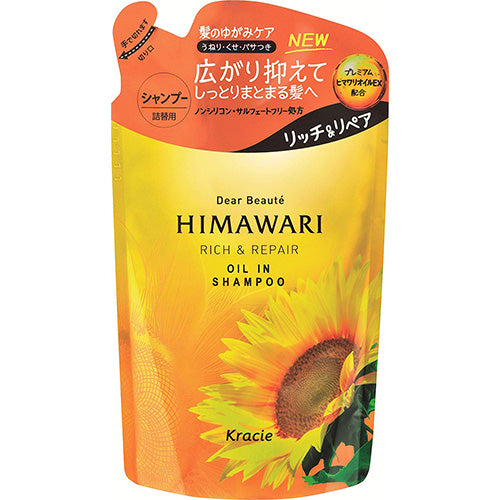
Dear Beaute Oil In Shampoo Rich & Repair
Dear Beaute Oil In Shampoo Rich & Repair by Kracie makes sense as the cleansing foundation of a Japanese anti-frizz hair routine.
The current Japan Standards listing specifically positions it for hair distortion including waviness, frizz, and dryness, with the goal of leaving hair softer and more manageable. Its ingredient list includes sunflower seed oil, fermented sunflower sprout extract, sunflower seed extract, sunflower flower extract, glycerin, and several conditioning polymers.
This shampoo is more directly aligned with frizz than a basic cleansing-only formula and can be particularly relevant when hair tends to feel dry, unruly, or puffy before styling.
Premium Sunflower-Focused Formula
Sunflower-derived ingredients are a prominent feature of the current formula.
Conditioning Starts During Cleansing
The formula also contains conditioning polymers such as Polyquaternium-7 and Polyquaternium-10 alongside its cleansing ingredients.
How to Use Dear Beaute
Apply the shampoo to wet hair, massage it gently through the scalp and hair, then rinse thoroughly.
WHERE IT FITS IN A HUMIDITY ROUTINE
Use it as step one before applying your richer rinse-out treatment.

Loretta Deep Moist Treatment
After shampooing, Loretta Deep Moist Treatment provides the intensive conditioning stage.
Japan Standards currently describes it as a deeply moisturizing treatment for dry, damaged, or frizzy hair. Its formula includes shea butter, Inca Inchi seed oil, white lupine seed oil, Damask rose flower oil, amodimethicone, dimethicone, fatty alcohols, and several conditioning agents.
When dry hair meets humid air, surface roughness can make resulting puffiness and flyaways more noticeable. A richer conditioning treatment can improve softness and manageability before styling.
Moisture Plus Smoothing
Loretta combines rich emollient ingredients with silicones and cationic conditioning agents.
Shea Butter and Botanical Oils
Shea butter, Inca Inchi seed oil, white lupine seed oil, and Damask rose oil are listed in the formula.
Amodimethicone and Dimethicone
Both smoothing silicone ingredients also appear in the current ingredient list.
HOW TO USE LORETTA
Apply the treatment to clean, damp hair, concentrating on the ends. Leave it briefly and rinse thoroughly.

Diane Moist Perfect Beauty Hair Oil
A leave-in product becomes especially useful when you want more control after rinsing.
Diane Moist Perfect Beauty Hair Oil is currently positioned by Japan Standards for dry, damaged, and frizzy hair, with an emphasis on smoothing, shine, softness, and manageability.
Loretta is rinsed out. Diane stays on the hair and can be applied to towel-dried or dry lengths, making it useful for pre-styling smoothing or finishing dry ends.
What Is in the Formula?
The current ingredient list starts with dimethicone and cyclopentasiloxane and includes argan kernel oil, mango seed oil, prickly pear seed oil, multiple keratin-derived ingredients, honey, and hydrolyzed silk-derived ingredients.
Silicones for Surface Smoothing
A silicone-rich leave-in can provide slip and a smoother cosmetic finish, particularly through rough ends.
Keratin and Silk Ingredients
The formula contains several keratin-related ingredients as well as silk-derived ingredients.
How to Apply Diane Hair Oil
Japan Standards recommends applying a small amount to towel-dried or dry hair, concentrating on the mid-lengths and ends.
HUMIDITY TIP
Start with a small quantity. Applying more oil does not automatically create better humidity protection and can weigh down fine hair.
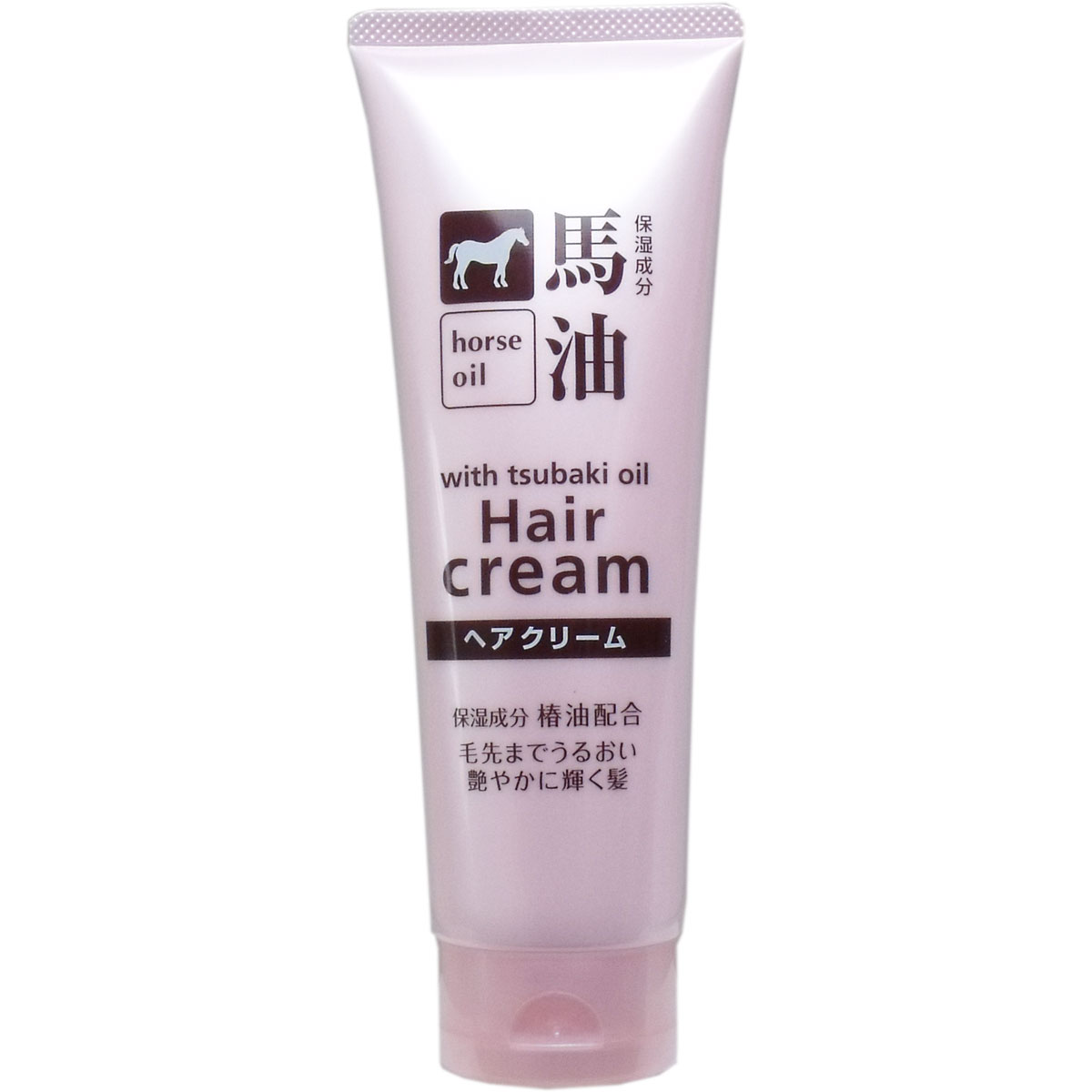
Tsubaki Horse Oil Hair Cream
Among the four products featured here, Tsubaki Horse Oil Hair Cream has the most explicit humidity-related positioning on its current Japan Standards page.
The listing states that the cream helps reduce excess moisture absorption associated with frizz and loss of hairstyle. It is formulated with horse oil and camellia seed oil and is intended to leave hair moisturized, glossy, smooth, and manageable.
A cream format may work especially well when hair needs more control than a very light serum or oil provides.
Why Consider Tsubaki Hair Cream in Humid Weather?
It can be useful for:
- Dry frizzy hair
- Coarse hair
- Rough ends
- Flyaways
- Puffiness
- Humidity-sensitive hair
- Hair that loses its smooth style easily
Camellia Oil and Horse Oil
The current ingredient list includes horse oil and camellia seed oil alongside mineral oil, petrolatum, dimethicone, and fatty alcohols.
Richer Than a Lightweight Oil
Because the formula contains richer emollients, it may be particularly appealing for dry, coarse, or difficult-to-manage hair.
Application
Apply an appropriate amount to towel-dried or dry hair, focusing particularly on damaged ends.
BEST ROLE IN YOUR ROUTINE
Use Tsubaki as a leave-in smoothing cream when you want additional control over dry ends and humidity-related puffiness.
Build Your Humidity Routine in Layers
You do not necessarily need all four products. Choose according to the stage of your routine that needs the most help—cleansing, rinse-out conditioning, lightweight finishing oil, or richer leave-in control.
Explore Japanese HaircareWhich Japanese Hair Product Should You Choose for Humidity?
You do not necessarily need all four products.
Choose according to the stage of your routine that needs the most help.
For Frizzy Hair Starting at Wash Day
Choose Dear Beaute Oil In Shampoo Rich & Repair if you want your shampoo step to focus on dryness, waviness, and frizz.
For Very Dry or Rough Hair
Choose Loretta Deep Moist Treatment if you need richer rinse-out conditioning.
For Lightweight Leave-In Smoothing and Shine
Choose Diane Moist Perfect Beauty Hair Oil if you want an oil that can be applied to towel-dried or dry hair.
For Humidity-Related Puffiness
Consider Tsubaki Horse Oil Hair Cream, particularly because its current product listing specifically addresses excess moisture absorption related to frizz.
For hair that needs even deeper treatment, explore our Japanese Hair Mask Guide.
How to Build a Japanese Anti-Frizz Hair Routine
Rather than relying on one product to solve everything, build your routine in layers.
Cleanse Without Neglecting Conditioning
Use your chosen shampoo to remove scalp oil and buildup. Dear Beaute can be especially relevant when frizz and dryness are already concerns.
Use a Rinse-Out Treatment
Apply Loretta or another moisturizing treatment mainly through the mid-lengths and ends.
For additional options, see our Dry Hair Mask Guide.
Remove Excess Water Gently
Avoid aggressively rubbing hair with a towel.
Apply Leave-In Care
Choose hair oil, cream, serum, or another leave-in according to your texture.
Fine hair: Start with Diane oil in a very small amount. Thick or coarse hair: A richer cream such as Tsubaki may provide the finish you prefer.
Style and Leave the Hair Alone
Repeatedly touching or brushing styled hair can encourage separation and flyaways.
Hair Oil vs Hair Cream for Frizz
Both can work, but they offer different textures.
| Format | What It Offers |
|---|---|
| Hair Oil | Hair oil tends to spread easily and works well through the mid-lengths and ends. Diane provides a silicone-and-oil-based smoothing option with added keratin and silk-derived ingredients. |
| Hair Cream | Cream can feel more substantial and may appeal to dry, coarse, or poofy hair. Tsubaki combines oils with richer emollient and smoothing ingredients. |
Can You Use Both?
You can, but more product is not automatically better.
For very dry or thick hair, a small amount of oil followed by targeted cream on rough ends may work. Fine hair may only need one leave-in product.
Moisture vs Protein for Frizzy Hair
Not every case of frizz means your hair needs protein.
When Moisture and Conditioning Matter Most
Focus on richer conditioning when your main concerns are:
- Dryness
- Roughness
- Tangling
- Coarse texture
- Dullness
- Dry ends
When Protein-Containing Products May Fit
Protein-containing formulas may appeal when frizz occurs alongside bleaching, coloring, heat damage, or other processing.
Diane, for example, contains multiple keratin-derived ingredients, while Loretta is more strongly centered on rich conditioning and oils.
Common Humidity Hair-Care Mistakes
Using Too Much Oil
Heavy application can make fine hair greasy without solving the underlying styling problem.
Skipping Conditioner Because the Weather Is Humid
Humidity in the air does not mean dry hair suddenly becomes well conditioned.
Using Very High Heat to Force Hair Straight
Excessive heat can create additional damage that may make future manageability harder.
Expecting One Product to Make Hair Humidity-Proof
No cosmetic treatment can guarantee that hair will remain completely unchanged under every humidity level.
A better goal is improved smoothness, reduced puffiness, better manageability, and a style that holds more comfortably.
Shop Japanese Hair Care for Frizz & Humidity
Japan Standards offers Japanese shampoo, conditioner, hair masks, treatments, oils, creams, styling products, and scalp care through the Japanese Haircare Collection.
For a wash-day starting point, shop Dear Beaute Oil In Shampoo Rich & Repair.
For intensive conditioning, choose Loretta Deep Moist Treatment.
For leave-in smoothing and shine, explore Diane Moist Perfect Beauty Hair Oil.
For richer leave-in conditioning and humidity-focused smoothing, consider Tsubaki Horse Oil Hair Cream.
Visit Japan Standards to explore more Japanese beauty and hair-care products.
Explore Japanese Hair Care
Japanese Haircare Collection
Browse Japanese shampoos, treatments, oils, masks, creams, styling products and scalp care.
Shop Now →Japanese Hair Mask Guide
Explore deeper conditioning options when frizz is connected with dryness, roughness or damage.
Read Guide →Dry Hair Mask Guide
Find additional moisturizing treatments for dry, rough and difficult-to-manage hair.
Read Guide →Frequently Asked Questions
Why Does Hair Frizz in Humidity?
Hair interacts with water in the surrounding atmosphere. Research shows moisture uptake rises as relative humidity increases, affecting hair's physical and mechanical behavior.
What Japanese Hair Product Is Good for Humidity?
It depends on your routine. Dear Beaute addresses frizz during cleansing, Loretta provides rich rinse-out conditioning, Diane offers leave-in oil smoothing, and Tsubaki Horse Oil Hair Cream is specifically positioned around controlling excess moisture absorption associated with frizz.
Can Hair Oil Help Humidity Frizz?
Hair oil can improve surface smoothness, shine, and manageability. It cannot make hair permanently immune to humidity.
Is Hair Oil or Hair Cream Better for Frizz?
Fine hair may prefer a lighter oil, while thick or coarse hair may prefer a richer cream. Product amount matters as much as format.
Can a Hair Mask Help Frizzy Hair?
A moisturizing or smoothing mask can improve softness and manageability, particularly when dryness contributes to frizz.
Can Silicones Help Frizzy Hair?
Silicone-containing hair products can provide lubrication and surface smoothing. Several products featured here contain silicones such as dimethicone or amodimethicone.
Where Can I Buy Japanese Hair Products for Frizz?
Browse the Japan Standards Haircare Collection for Japanese shampoos, treatments, oils, masks, and styling products.
Final Thoughts
Successful Hair Care for Frizz & Humidity is less about finding one miracle product and more about building the right combination for your hair.
Start with Dear Beaute Oil In Shampoo Rich & Repair if you want wash-day care specifically positioned around dryness, waviness, and frizz. Add Loretta Deep Moist Treatment when rough or dry hair needs richer rinse-out conditioning.
After washing, Diane Moist Perfect Beauty Hair Oil provides lightweight leave-in smoothing with silicones, botanical oils, keratin-derived ingredients, and silk-derived ingredients. For hair that needs a richer finishing layer, Tsubaki Horse Oil Hair Cream combines camellia oil, horse oil, dimethicone, and other emollients and is explicitly positioned to help with excess moisture absorption associated with frizz.
The best Japanese anti-frizz routine should leave your hair softer, smoother, shinier, and more manageable without making it unnecessarily heavy.
Explore the full Japanese Haircare Collection at Japan Standards to build a routine for humid weather, dry hair, damage, flyaways, and frizz.
Build Your Japanese Anti-Frizz Routine
Explore Japanese shampoos, treatments, hair oils, creams, masks and styling products for humid weather, dryness, flyaways, puffiness and frizz.
Explore Japanese Haircare