















Why Are My Hands So Dry? Common Causes & Hand-Care Tips
Understand common dryness factors, build practical moisturizing habits, and compare five Japanese hand and nail care options.
Compare rich creams, a lighter gel, and targeted nail care.
If you keep asking, “Why are my hands so dry?”, start by looking at what your hands encounter throughout the day. Frequent washing, cleaning products, cold weather, and repeated water exposure can all contribute to rough, uncomfortable skin.
Dry hands may feel tight after washing or develop flaky patches around the knuckles and fingertips. Dry cuticles and peeling skin can also make everyday tasks uncomfortable.
A useful hand-care routine combines gentle cleansing, regular moisturizing, and protection from irritating substances. Choosing a cream matters, but so does reducing the exposure that keeps drying your hands.
This guide explains common dryness factors and compares five Japanese hand and nail products at Japan Standards. These are supporting care options; persistent inflammation or painful cracks may need professional assessment.
Why Do Hands Become Dry?
The outer skin barrier helps retain moisture and protect against the environment. Repeated contact with water, cleansers, and other substances can disrupt that barrier, leaving hands more vulnerable to moisture loss and irritation.
Several factors may overlap. For example, frequent handwashing during winter can combine cleanser exposure with low humidity.
Frequent Handwashing and Hot Water
Handwashing is essential for hygiene, but repeated washing can leave skin dry. Hot water and harsh soaps may add to the discomfort.
Use lukewarm water and a gentle hand cleanser suitable for the task. Continue washing when needed, then moisturize afterward rather than reducing necessary hygiene. The American Academy of Dermatology recommends applying hand cream or ointment after washing to help relieve dryness.
Cleaning Products and Wet Work
Dishwashing, laundry, cleaning, and some jobs repeatedly expose hands to water, detergents, or solvents.
This exposure can gradually irritate skin. Healthcare, hairdressing, food preparation, and cleaning work may make regular protection especially important. Even plain water can contribute when hands stay wet repeatedly throughout the day.
Cold Weather and Dry Indoor Air
Cold weather, low humidity, and indoor heating can make moisture retention harder. Air-conditioned environments may also feel drying.
You might notice seasonal roughness across the backs of your hands or around your knuckles, particularly when washing frequently.
Hand Sanitizer and Product Exposure
Alcohol-based hand sanitizer can contribute to dryness. When sanitizer is appropriate, allow it to dry completely before applying a compatible moisturizer.
Fragrance and other ingredients in soaps, creams, or cleaning products may also cause problems for some people. A product that feels pleasant initially is not necessarily suitable if it repeatedly causes itching or burning.
Dryness, Irritation, or Something Else?
Ordinary dryness and inflammatory skin conditions can share symptoms, so appearance alone cannot reliably identify the cause.
Watch for More Than Roughness
Persistent itching, redness, burning, blisters, or painful cracks deserve attention. Hand eczema, irritant contact dermatitis, and allergic contact dermatitis are possible explanations a healthcare professional may consider.
Irritant contact dermatitis involves damage from substances such as detergents or repeated water exposure. Allergic contact dermatitis involves an immune reaction to a particular substance. Neither should be diagnosed simply because hands feel dry.
Notice Patterns
Consider whether discomfort follows a new soap, cleaning task, glove, or skincare product.
Keeping a brief record of products and activities may help you discuss persistent symptoms with a pharmacist or dermatologist.
A Practical Daily Hand-Care Routine
Step 1: Wash Gently
Use lukewarm water and wash thoroughly. Rinse away cleanser, including around rings where residue can collect.
Avoid scrubbing dry patches or trying to remove peeling skin with abrasive tools.
Step 2: Pat Hands Dry
Use a clean towel and pat rather than rub aggressively. Dry carefully between your fingers.
Step 3: Moisturize Promptly
Apply a suitable cream or ointment while the skin is still slightly damp, unless the product directions specify otherwise. Include the backs of your hands, fingertips, and nail surroundings.
Step 4: Reapply When Needed
Keep moisturizer somewhere convenient, such as beside the sink or at your desk. Reapply after washing and whenever your hands feel dry, following the manufacturer’s directions.
Protect Hands During Cleaning
Wear protective gloves suited to the task and chemicals involved. Keep glove interiors dry, and replace or remove them if moisture builds up.
Prolonged sweating inside gloves can worsen discomfort. Cotton liners may help some people, but gloves themselves can also contain materials that trigger reactions.
Consider Overnight Hand Care
A comfortable cream or ointment before bed can provide another opportunity to moisturize. Clean cotton gloves may help keep the product on your hands if tolerated.
Avoid tight coverings, and follow any warnings on medicated products. Cotton gloves are optional, not a requirement for effective moisturizing.
What to Look for in a Hand Moisturizer
Ingredients That Support Moisture
Moisturizers often combine several ingredient types:
| Ingredient Group | Main Role | Examples |
|---|---|---|
| Humectants | Attract and hold water | Glycerin, hyaluronic acid |
| Emollients | Soften and smooth skin | Shea butter and other moisturizing lipids |
| Occlusives | Help limit water loss | Petrolatum, dimethicone |
Ceramides are also used in barrier-focused skincare. Urea can provide moisturizing and skin-softening effects, depending on concentration, but may sting irritated or cracked skin.
Choose a Tolerable Formula
A fragrance-free hand cream can be a useful starting point for easily irritated skin. “Natural” ingredients do not guarantee compatibility.
Creams and ointments may suit very dry hands, while some people prefer lighter textures during work. The most practical choice is one you tolerate and can use consistently.
For more comparison points, read Best Hand Lotion.
Five Japanese Hand and Nail Products to Compare
These products offer different formats within the Mentholatum Hand Veil range. Check the exact product variant, ingredient list, and directions before purchasing.

Mentholatum Hand Veil Rich Cream
70g
A hand cream to compare when you prefer a substantial moisturizing feel for dry, rough-feeling hands.
For a Richer Hand-Cream Texture
Mentholatum Hand Veil Rich Cream 70g is an option to compare if you prefer a substantial moisturizing feel.
Rohto’s Rich Cream information highlights shea butter and a rich texture for dry, rough-feeling hands.
Buying Consideration
Think about when you will use it. A richer texture may fit an evening routine or a quiet moment after washing.
Check Before Applying
Confirm the package directions and avoid applying to areas the label excludes, including damaged or inflamed skin where specified.

Mentholatum Hand Veil Moisture Gel
70g
A gel-format hand-care option to compare when you prefer a less sticky finish.
For People Who Prefer a Gel Format
Mentholatum Hand Veil Moisture Gel 70g offers a different texture from a rich cream.
Rohto describes its Moisture Gel as a less sticky hand-care option and highlights hyaluronic acid ingredients.
Buying Consideration
Compare it if you dislike a heavy finish while typing or doing household tasks. Texture preference can influence how regularly you moisturize.
Review Skin Comfort
A lighter feel does not guarantee that a formula will suit irritated skin. Stop if it causes a reaction.

Mentholatum Hand Veil Hand Roughness Care Cream
70g
A hand-focused option to compare when dryness and roughness influence your daily care needs.
For a Rough-Hand Care Comparison
Mentholatum Hand Veil Hand Roughness Care Cream 70g is another hand-focused option.
Rohto positions the formula around dryness and hand roughness, with a smooth application feel.
Buying Consideration
Compare the complete formulation and usage instructions with your existing routine, particularly if you already use prescribed treatments.
Know Its Limits
A hand-care product cannot identify why your skin is cracking or replace treatment for an underlying condition.

Mentholatum Hand Veil Rich Barrier Hand Cream
70g
A hand cream to compare when washing and water-related tasks feature heavily in your day.
For Routines Involving Frequent Water Exposure
Mentholatum Hand Veil Rich Barrier Hand Cream 70g is worth comparing when washing and water-related tasks feature heavily in your day.
Rohto positions Rich Barrier around recurring hand roughness and frequent handwashing or water work.
Buying Consideration
Check how its application instructions fit around work and washing.
Keep Protective Habits
A barrier-focused cream does not replace appropriate gloves or other workplace protection.

Mentholatum Hand Veil Concentrate Repair Beauty Premium Rich Nail Care Cream
24g
A targeted nail-care cream for nails and the surrounding cuticle area.
For Nails and Surrounding Cuticles
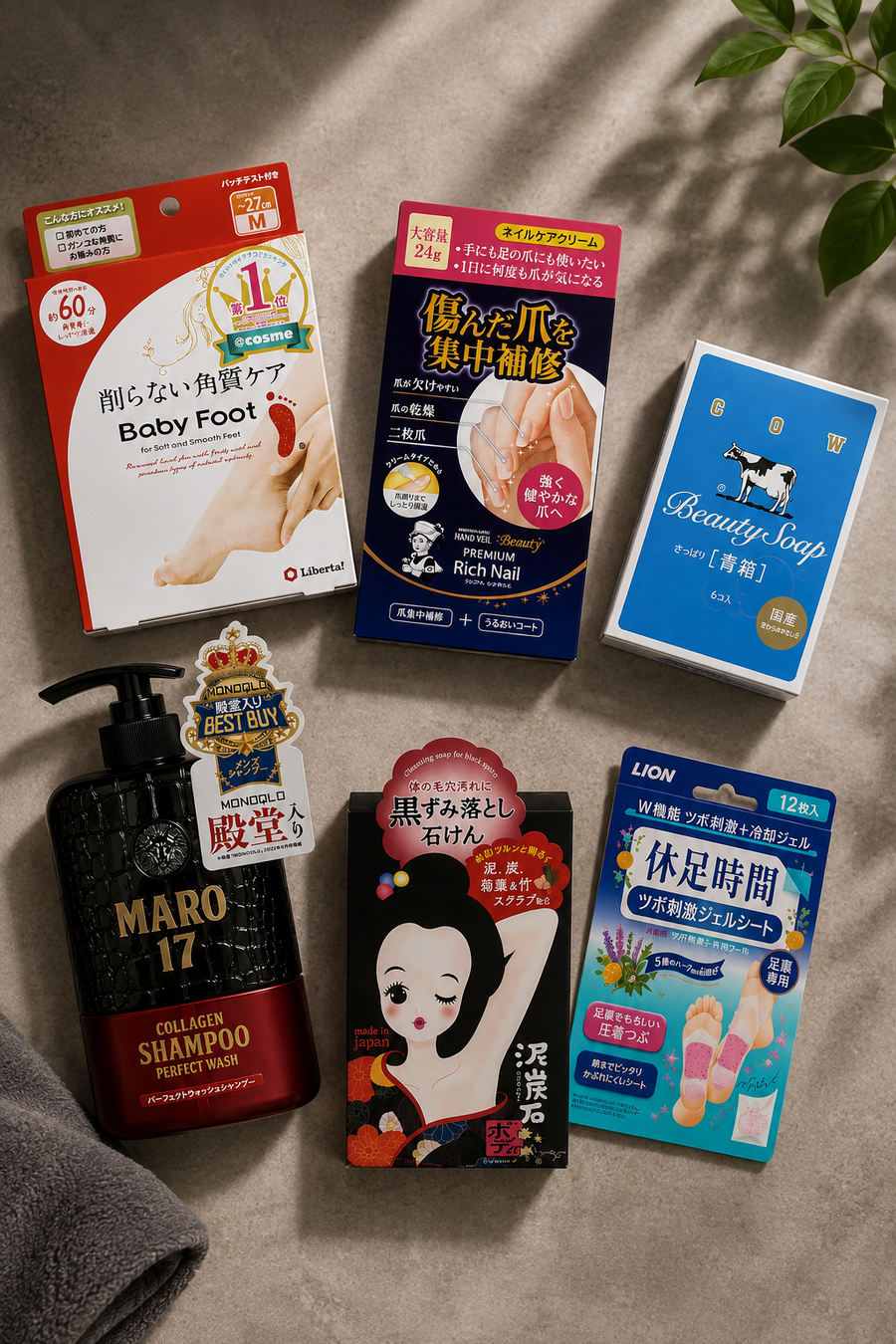
Mentholatum Hand Veil Concentrate Repair Beauty Premium Rich Nail Care Cream 24g provides targeted nail-area care.
Its directions focus on applying a small amount to nails and surrounding cuticles, then massaging gently.
Buying Consideration
Choose according to the area you want to care for. Targeted nail cream serves a different role from whole-hand moisturizer.
Check Fragrance and Ingredients
The listed formula includes glycerin, dimethicone, ceramides, and fragrance. Review compatibility if you have fragrance sensitivity or known ingredient allergies.
Why Does Hand Cream Sometimes Seem Ineffective?
Exposure May Continue
Moisturizing once may not compensate for repeated detergent contact or hours of wet work. Pair moisturizing with protection and gentler cleansing.
Application May Be Inconsistent
Reapply according to need and directions. Keep a product accessible so using it becomes part of your routine.
The Formula May Not Suit You
Persistent burning or itching is a reason to stop and reassess. Home product testing may help identify intolerance, but medical patch testing is different and may be needed for recurring suspected allergies.
Avoid picking peeling skin or cutting attached cuticles, which can create further injury.
When to Seek Professional Advice
Ask a pharmacist or doctor about dryness that remains persistent, recurrent, or severe despite routine care.
Bleeding cracks, significant pain, or difficulty using your hands also warrant assessment. Seek prompt care for possible infection signs, such as increasing warmth, swelling, spreading redness, pus, or feeling unwell.
Moisturizers support skin comfort, but some conditions need additional treatment.
More Moisturizing Guides
Find Hand Care That Fits Your Day
Start with the exposures you can change, then choose a tolerable moisturizer you can apply consistently.
Explore Hand Care, Hand Cream, and Hand & Nail. For broader moisturizing options, read Best Body Lotion.
Browse Bodycare and Beauty at Japan Standards to compare Japanese products for your daily routine.
Find Hand Care for Your Routine
Pair gentle cleansing and suitable protection with a moisturizer you tolerate and can use regularly.
Explore Hand Care →