








How Do I Remove Hair Color from Skin? Safe Cleanup Tips
If you color your hair at home, a small stain around the forehead, ears, neck, or hairline can happen even when you apply the product carefully. So, how do I remove hair color from skin without turning a minor stain into irritated skin?
Start With the Least Aggressive Cleanup Method
Fresh color may come away with lukewarm water and a mild cleanser. If pigment remains, an oil-based approach can sometimes help loosen surface staining. What you should avoid—especially on the face—is aggressively scrubbing the skin or immediately reaching for harsh solvents.
Hair dye stains are also different from a hair dye reaction. Burning, persistent itching, swelling, blistering, or a spreading rash should not simply be scrubbed away.
Hair Color Cleanup & Application Guide
This Japan Standards guide explains how to clean up hair color safely, prevent staining around the hairline, and choose Japanese hair-color products with application formats that can make at-home coloring easier.
You can also browse the Japan Standards Hair Color Collection or explore the wider Hair Care Collection.
How Do I Remove Hair Color from Skin Safely?
Start with the least aggressive option.
Step 1: Remove Fresh Dye Quickly
If you notice hair color on your forehead, ears, neck, or hands while applying it, wipe it away before it dries.
Use a damp cotton pad, soft washcloth, or cotton swab and avoid forceful rubbing.
Fresh stains are generally easier to address than pigment that has already dried onto the skin.
Step 2: Wash With Mild Soap or Facial Cleanser
Soap and warm water are a reasonable first approach to fresh hair-dye staining. Facial skin is more sensitive than the hands, so harsh or highly abrasive cleansers should be avoided around the forehead and hairline.
Use lukewarm rather than very hot water and gently massage the cleanser over the stained area.
Rinse, pat dry, and check whether the color has faded.
Step 3: Try a Skin-Safe Oil for Remaining Stains
If ordinary cleansing does not remove all of the pigment, a small amount of skin-safe oil may be another gentle option.
Medically reviewed guidance notes that olive oil or baby oil may help loosen hair-dye stains from skin, although evidence for these home methods is limited.
Apply a small amount to the stained skin, massage gently rather than scrubbing, then wash the area with a mild cleanser and lukewarm water.
What About Cleansing Oil?
A facial cleansing oil works on a similar oil-based cleansing principle and may be a gentler choice than aggressive stain-removal methods.
However, no cleanser is guaranteed to erase a dried dye stain instantly.
Repeat Gently Rather Than Scrubbing Hard
If some pigment remains, it is usually better to repeat gentle cleansing later than to repeatedly rub the same area until it becomes sore.
Stop if the Skin Becomes Irritated
Stain removal is cosmetic. Protecting the skin is more important than eliminating every trace of color immediately.
What Should You Avoid When Removing Hair Dye From Skin?
Not every household stain-removal method belongs on facial skin.
Avoid Acetone and Nail Polish Remover on the Face
Nail polish remover can irritate or damage skin and should not be treated as a facial hair-dye remover.
Avoid Bleach and Other Harsh Solvents
Products intended for cleaning surfaces are not appropriate for removing cosmetic stains from your face or hairline.
Dermatology experts also advise against aggressively rubbing the skin when trying to remove hair color.
Be Careful With Rubbing Alcohol
Alcohol can be harsh and drying, particularly on dry or sensitive skin.
What About Baking Soda or Toothpaste?
These popular DIY suggestions rely partly on abrasion.
Because facial skin can already be stressed after hair coloring, an abrasive approach may create more irritation than the stain itself.
Gentle Is Better Around the Eyes and Hairline
Take extra care near the eyes. Do not allow cleansers, oils, dye removers, or color products to enter the eyes.
A Stain Will Usually Be Less Concerning Than Damaged Skin
Do not keep scrubbing merely because a faint shadow of pigment remains.
Hair Dye Stain vs Hair Dye Reaction: Know the Difference
This distinction is important.
A hair dye stain changes the color of the skin but should not by itself cause significant burning, swelling, blistering, or a spreading itchy rash.
A reaction may include:
- Burning or stinging
- Itching
- Rash
- Dryness or soreness
- Blistering
- Swelling
Hair-dye reactions can sometimes develop hours after exposure, and symptoms may take up to 72 hours to appear.
When to Get Medical Help
Stop using the hair-color product and seek medical advice if irritation is worsening or does not settle.
Seek urgent medical attention for symptoms such as swelling of the lips, mouth, tongue, or throat, difficulty breathing or swallowing, severe dizziness, or fainting. These can indicate a serious allergic reaction.
Why Patch Testing Matters
The American Academy of Dermatology advises testing store-bought hair color according to the manufacturer's instructions and not proceeding with coloring if testing causes redness, swelling, burning, itching, or a rash.
PPD and Hair Dye Reactions
Many permanent and some semi-permanent hair dyes contain paraphenylenediamine, or PPD, which is a known potential irritant and allergen. This is a general hair-dye safety point and does not mean every product in this guide contains PPD.
Always Follow the Specific Product Label
Ingredients and instructions vary significantly between permanent dye, color treatments, and temporary root concealers.
How to Prevent Hair Color From Staining Your Skin
Prevention makes cleanup easier.
Keep Application Precise
Apply color to the hair rather than spreading it onto surrounding skin.
This becomes particularly important around:
- Forehead
- Temples
- Ears
- Sideburns
- Neck
- Hairline
Protect Your Hands
Wear the gloves recommended by the manufacturer when using hair-color products.
Create a Barrier Around the Hairline
A small amount of petroleum jelly or a thick moisturizing product around—but not on—the hair you intend to color can create a physical barrier that helps reduce direct skin contact. Expert guidance commonly recommends this approach for reducing hair-color staining.
Wipe Spills Immediately
Keep damp cotton pads or a soft cloth nearby when coloring.
Use Precise Applicators When Available
Comb-shaped applicators and dedicated color brushes can help you control where the product goes.
Check the Mirror Before Processing
Look carefully around the ears, neck, temples, and forehead and remove accidental color contact before leaving the product to process.
Japanese Hair Color Options at Japan Standards
The products below are hair-color products, not skin stain removers.
Their different application formats can, however, influence how precisely you can apply color and therefore how much cleanup may be necessary afterward.
| Product | Format | Best Match |
|---|---|---|
| Rohto 50 Megumi Color Treatment | Gradual color treatment | Gradual dark-brown gray coverage + conditioning |
| CIELO 1Day Light Brown | Temporary comb-shaped concealer | Light-brown root touch-ups |
| CIELO 1Day Natural Brown | Temporary comb-shaped concealer | Natural-brown temporary coverage |
| CIELO 1Day Dark Brown | Temporary comb-shaped concealer | Dark-brown temporary touch-ups |
| Oshima Tsubaki Hair Color Treatment | Gradual color treatment | Gradual gray coverage + conditioning care |
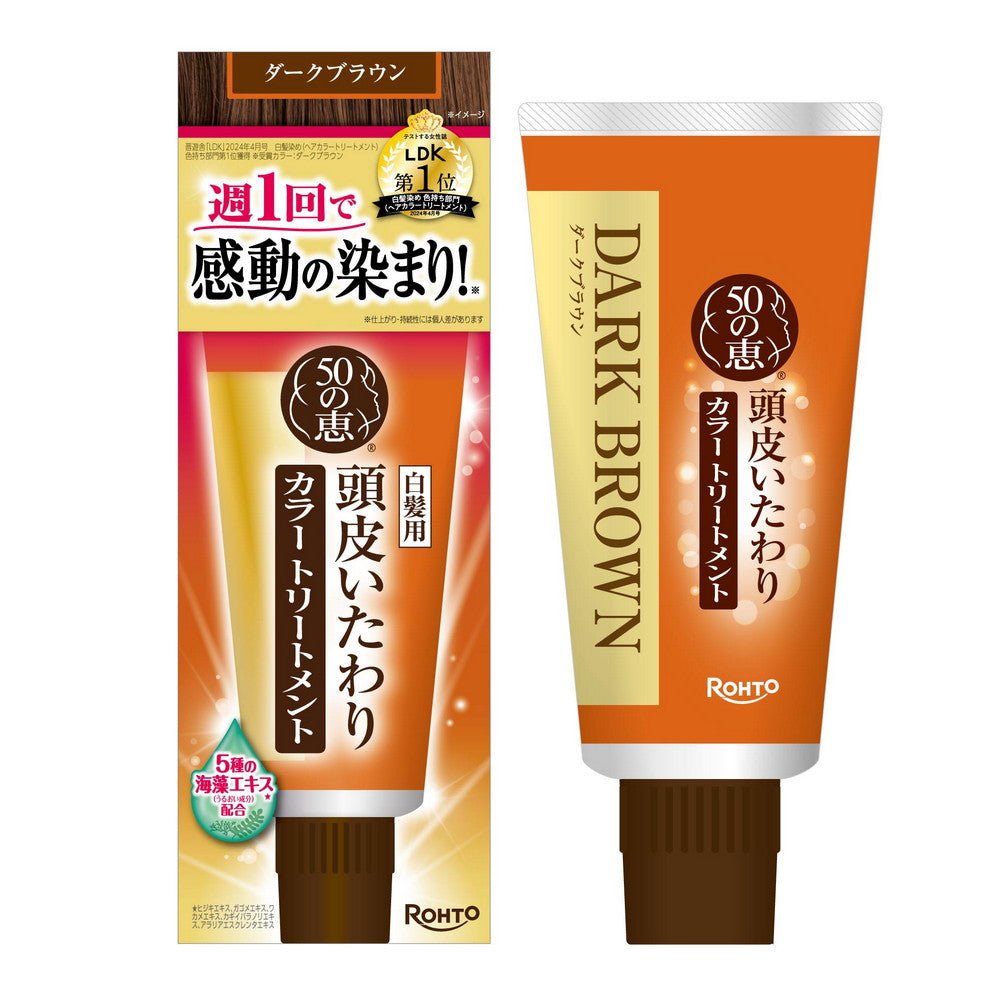
1. Rohto 50 Megumi Scalp-Friendly Color Treatment Dark Brown 150g
A Japanese weekly color treatment for visible gray and white hair.
Shoppers looking for gradual gray coverage plus conditioning care.
Best for Gradual Dark-Brown Gray Coverage
Rohto 50 Megumi Scalp-Friendly Color Treatment Dark Brown is a Japanese weekly color treatment for visible gray and white hair.
The instructions allow it to be applied either to dry hair before shampooing or after shampooing once excess water has been removed. The Dark Brown treatment gradually colors gray hair while its treatment base conditions dry or damaged lengths.
How to Use It Carefully
Apply the product over gray roots and areas that need color, distribute it evenly, leave it on according to the package directions, and then rinse thoroughly.
Cleanup Tip
Because it is applied across areas of gray hair rather than drawn on like a marker, pay extra attention around the hairline and ears.
Best For
People looking for gradual gray coverage plus conditioning care.
Shop the Product
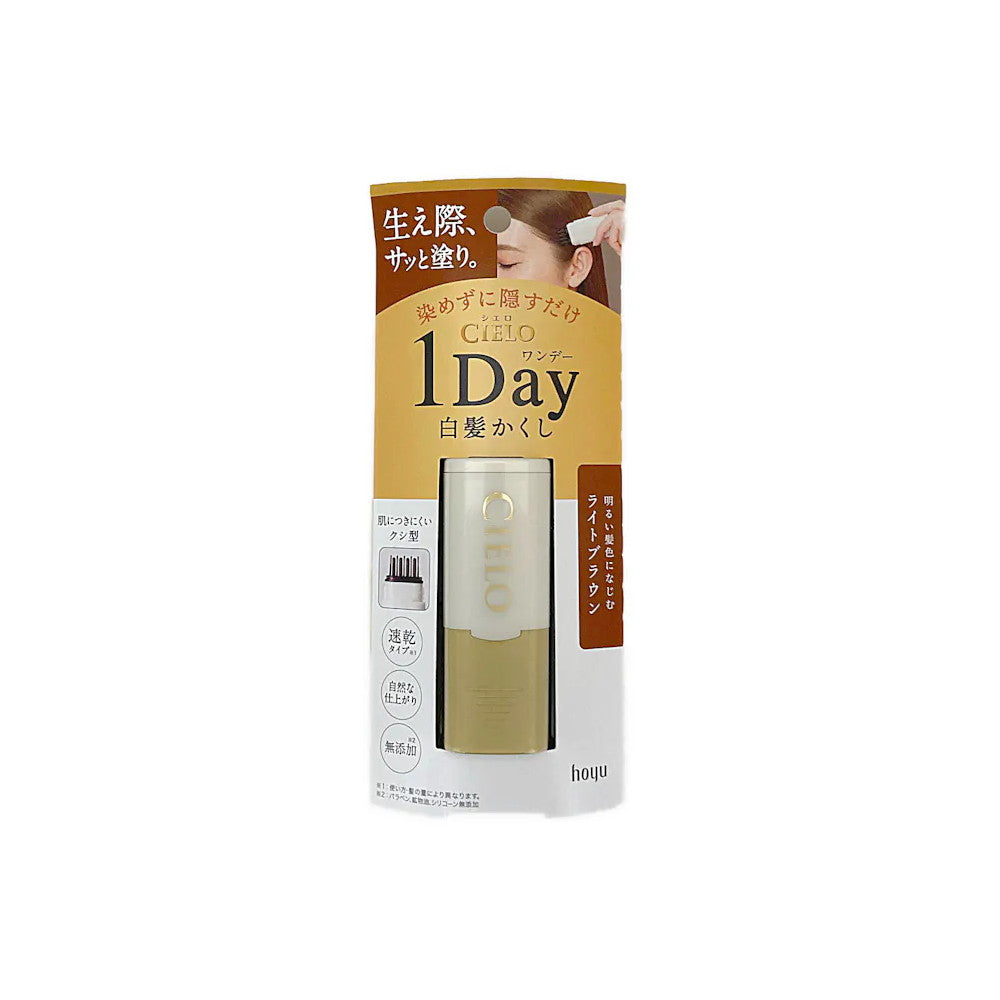
2. CIELO 1Day Gray Hair Concealer Light Brown 9ml
Designed for quick temporary coverage of visible gray roots and hairlines.
Light-brown temporary touch-ups between color sessions.
Best for Temporary Light-Brown Root Touch-Ups
CIELO 1Day Gray Hair Concealer Light Brown is designed for quick temporary coverage of visible gray roots and hairlines.
Its comb-shaped marker allows color to be applied directly from the roots while helping reduce unnecessary scalp contact. The color is designed for one-day wear and should be washed out with shampoo before bed.
Why the Applicator Matters
A targeted comb applicator can be easier to control than spreading a cream treatment across a wider area.
Best for: light-brown temporary touch-ups between color sessions.
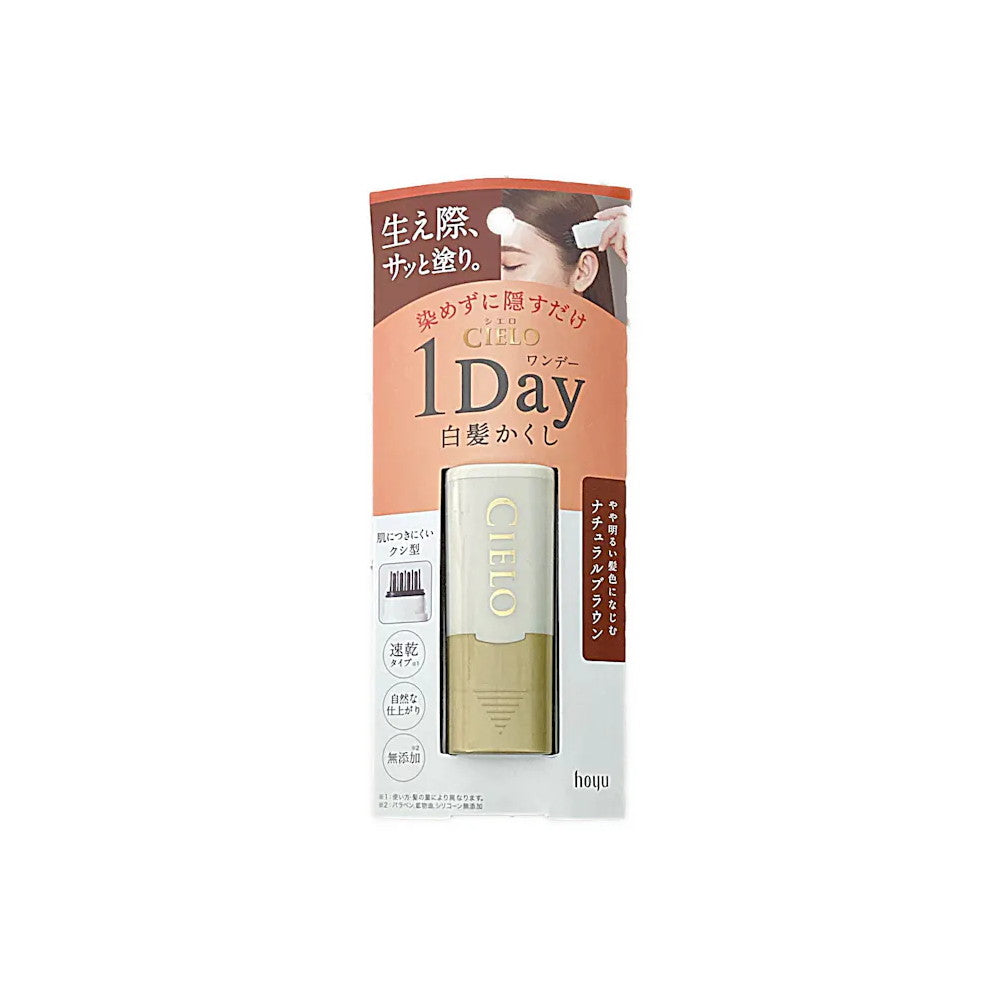
3. CIELO 1Day Gray Hair Concealer Natural Brown 9ml
The same convenient temporary touch-up concept in a Natural Brown shade.
Natural-brown hair needing temporary visible-gray coverage.
Best for Natural-Brown Temporary Coverage
CIELO 1Day Gray Hair Concealer Natural Brown uses the same convenient temporary touch-up concept in a Natural Brown shade.
Its comb-shaped marker as helping apply color precisely from the roots while reducing contact with the scalp. The fast-drying one-day color is intended for gray roots and hairlines and washes out with shampoo.
Best For
Natural-brown hair needing temporary visible-gray coverage.
Application Tip
Apply slowly from the roots as if combing rather than pressing the applicator against the surrounding skin.
Shop Natural Brown
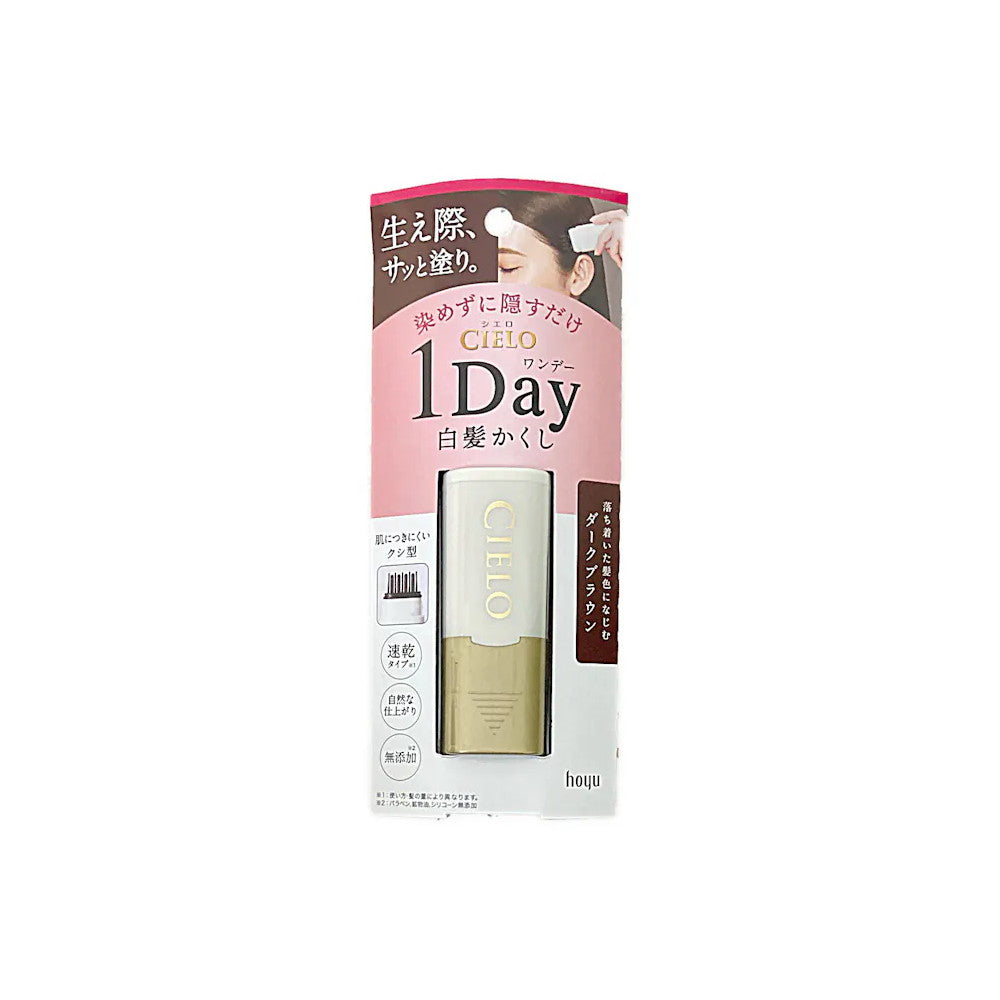
4. CIELO 1Day Gray Hair Concealer Dark Brown 9ml
The same temporary root-and-hairline application in Dark Brown.
Choose among Light Brown, Natural Brown, and Dark Brown according to the color that best matches your hair.
Best for Temporary Dark-Brown Touch-Ups
CIELO 1Day Gray Hair Concealer Dark Brown provides the same temporary root-and-hairline application in Dark Brown.
The listing says the fast-drying color is designed to blend with gray areas without leaving the hair overly stiff or clumpy. It should be shampooed out before going to bed.
Best Buying Match
Choose among Light Brown, Natural Brown, and Dark Brown according to the color that best matches your hair.
The application and one-day touch-up concept are otherwise similar across these CIELO listings.
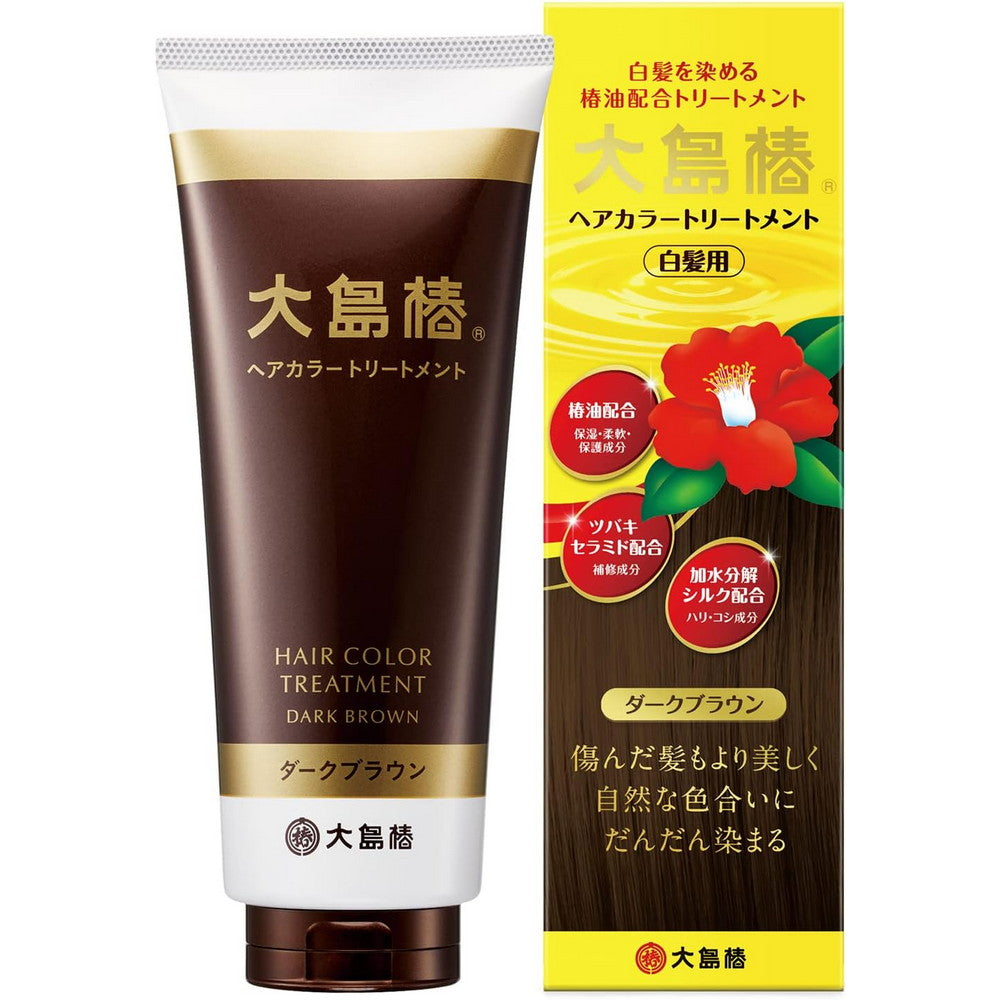
5. Oshima Tsubaki Hair Color Treatment 180g
Combines gradual gray-hair coloring with conditioning.
Shoppers wanting gradual gray coverage together with moisture and conditioning care.
Best for Gradual Color With Camellia-Based Hair Care
Oshima Tsubaki Hair Color Treatment 180g combines gradual gray-hair coloring with conditioning.
The listing says it is used after shampooing and gradually darkens gray hair while supporting moisture, shine, and elasticity. The formula contains camellia oil and camellia-derived ingredients, and a dedicated brush is included for application.
Useful for Partial Coloring
The current instructions state that the product can also be used for partial dyeing.
That can make it useful when you only need to target specific gray areas instead of covering the entire head.
Cleanup Tip
Use the supplied brush carefully around the hairline and wipe accidental skin contact promptly.
Best For
Shoppers wanting gradual gray coverage together with moisture and conditioning care.
Shop Oshima Tsubaki
Choose Hair Color According to the Application Job
Temporary comb-shaped concealers can make targeted root application easier, while gradual color treatments cover broader sections of gray hair.
Explore Hair ColorTemporary Concealer vs Color Treatment: Which Creates Easier Cleanup?
The format matters.
Temporary Root Concealers
CIELO 1Day products are designed for precise gray-root and hairline application using a comb-shaped marker.
That makes them especially useful for targeted coverage.
Gradual Color Treatments
50 Megumi and Oshima Tsubaki are applied more like hair treatments and cover larger sections of hair.
They can be useful when gradual coverage is your goal, but more careful hairline application may be needed.
Choose According to the Job
For one-day root coverage, consider CIELO.
For gradual color treatment, compare 50 Megumi and Oshima Tsubaki.
After Coloring
If your lengths also feel dry or rough, explore the Japan Standards Hair Treatment Collection.
For Deeper Conditioning
Browse the Hair Mask Collection and Hair Oil Collection.
You can also read the Hair Mask Complete Guide or compare products in the Best Hair Mask Guide.
Explore Japanese Hair Color & Aftercare
Hair Color Collection
Browse Japanese hair-color products for gray coverage and temporary touch-ups.
Shop Now →Hair Treatment Collection
Explore treatment options when colored lengths feel dry or rough.
Shop Treatments →Hair Mask Collection
Browse richer treatments for dry or rough-feeling hair.
Shop Hair Masks →Frequently Asked Questions
How Do I Remove Hair Color From Skin Around My Hairline?
Start with lukewarm water and a mild facial cleanser or soap. If staining remains, a small amount of skin-safe oil may help loosen it. Avoid aggressive scrubbing on facial skin.
How Do I Get Hair Dye Off My Forehead?
Treat the forehead gently. Clean fresh color quickly, then wash with mild cleanser and lukewarm water. Do not use bleach or strong solvents simply to remove cosmetic staining.
Can I Use Nail Polish Remover to Remove Hair Dye?
It is not recommended for facial or neck skin. Nail polish remover can be harsh and may damage or irritate skin.
Can Oil Remove Hair Dye From Skin?
Olive oil or baby oil may help loosen surface hair-dye stains, although research specifically proving their effectiveness on skin is limited.
Should I Scrub a Stubborn Hair Dye Stain?
Avoid forceful scrubbing, especially on the face. Repeated friction can irritate the skin and may cause more trouble than the remaining pigment.
What If the Area Burns or Itches?
Stop treating it as a simple stain. Burning, itching, swelling, rash, soreness, or blistering can indicate irritation or an allergic reaction.
Final Thoughts
If you are wondering how do I remove hair color from skin, start with the gentlest solution rather than the strongest chemical you can find.
Remove fresh color quickly, wash with mild cleanser and lukewarm water, and consider a skin-safe oil if some staining remains. Avoid aggressive scrubbing and harsh solvents on facial skin.
Most importantly, distinguish a cosmetic stain from a reaction. A mark that simply changes skin color is different from burning, itching, swelling, blistering, or a spreading rash. If those symptoms occur, stop using the color product and seek appropriate medical advice.
You can also reduce future cleanup by choosing precise application techniques. CIELO 1Day Gray Hair Concealers provide targeted temporary root coverage in Light Brown, Natural Brown, and Dark Brown, while Rohto 50 Megumi and Oshima Tsubaki Hair Color Treatment offer gradual color-treatment approaches.
Browse the Japan Standards Hair Color Collection, explore Hair Care, shop Hair Treatments, Hair Masks, and Hair Oils, or visit Japan Standards for more Japanese beauty and personal-care products.
Explore Japanese Hair Color & Hair Care
Choose precise temporary root concealers or gradual color treatments and build an aftercare routine with Japanese treatments, masks, oils, and hair-care products.
Explore Hair Color